Colonial Heritage of West Bengal: A Journey through British-Era Charm and Architectural Legacy
West Bengal’s colonial heritage captures a mesmerizing chapter of British Raj heritage Bengal, etched in its historic colonial buildings, majestic forts, and serene colonial churches Kolkata.
Discover MoreExplore the British Footprint: Colonial Heritage Tours West Bengal
Step into the heart of India’s colonial past through colonial heritage spots Kolkata and beyond. Colonial heritage tours West Bengal invite you to discover British architecture heritage Bengal showcased in iconic landmarks from the majestic Victoria Memorial to historic forts guarding Bengal’s frontiers. Wander through colonial mansions West Bengal and old colonial towns, absorbing the atmospheric blend of Indo-European architecture Bengal that shaped cities’ character. Heritage walks Kolkata weave narratives of British trading posts Bengal, colonial cemeteries Kolkata, and colonial-era museums immortalizing Bengal’s role in the Raj. Colonial urban heritage Kolkata offers travelers a unique window into colonial governance, urban planning, and society. This cultural journey reveals British-era sites in Bengal as spaces where history, politics, and artistry converge, encouraging deep appreciation for Bengal’s historical landmarks West Bengal.

Highlights of Colonial Heritage in Bengal
Key Monuments and Architectural Icons of the British Era
Victoria Memorial Kolkata
A symbol of British colonial architecture Kolkata, the Victoria Memorial is an imposing marble edifice honoring Queen Victoria, surrounded by lush gardens and a museum showcasing colonial-era artifacts.
Fort William: Colonial Fort in Bengal
Fort William is a vital colonial fort West Bengal that served as a military bastion and administrative hub during British India, exemplifying colonial military architecture and strategic importance.
Colonial Churches Kolkata
Colonial churches Kolkata, including St. Paul’s Cathedral and Armenian Church, stand as serene reminders of European religious influence and architectural finesse from the colonial period.
Heritage Bungalows Kolkata
Heritage bungalows Kolkata along avenues and parks represent British residential style, characterized by grand porches, high ceilings, and lush gardens, evoking colonial-era living.
Colonial Government Buildings Bengal
Colonial-era government buildings in Bengal, such as Writers’ Building and the General Post Office, are pillars of British administrative legacy, blending grandeur with functionality.
British Trading Posts Bengal
British trading posts Bengal like those in Murshidabad and Sutanuti formed critical nodes in commerce and colonial expansion, shaping Bengal’s economic and political landscape.
Deep Insights into Bengal’s Colonial Legacy
Victoria Memorial and British Architecture Heritage Bengal
The Victoria Memorial stands as a crown jewel of British colonial architecture Kolkata, blending Italian Renaissance, Mughal, and British styles into a grand monument symbolizing Britain’s imperial power. Constructed between 1906 and 1921, it functions as a museum preserving artifacts of colonial days, the freedom movement, and Bengal’s rich cultural past. Its pristine marble façade and extensive gardens attract tourists and historians alike, making it a must-visit heritage spot Kolkata representing West Bengal’s colonial heritage.


Fort William: Bastion of British Rule
Fort William, located along the Hooghly River, is a military fortress founded during the 18th century to protect British interests in Bengal. It was pivotal in battles and administration during the British Raj. Its imposing walls, moats, and bastions stand testament to colonial military strategies. Though partially rebuilt after the Battle of Plassey, the fort remains an active military installation and a significant colonial fort West Bengal visitors can glimpse through authorized tours, connecting Bengal’s martial past with the present.
Colonial Churches Kolkata: Spiritual and Architectural Gems
Colonial churches Kolkata such as St. Paul’s Cathedral, completed in 1847, exhibit Gothic Revival styles with elegant stained-glass windows and pointed arches that evoke medieval Europe. The Armenian Church, dating back to the early 18th century, echoes the multicultural fabric of colonial Kolkata. These churches offer peaceful sanctuaries amidst the city’s bustle, preserving religious practices and artistry. Their colonial heritage tourism West Bengal significance lies in their architectural splendor, historical roles in community-building, and enduring spiritual presence.


Heritage Bungalows Kolkata: Living Colonial Relics
Heritage bungalows Kolkata scattered across areas like Ballygunge, Alipore, and the Maidan lay out a residential side of colonial life. Often huge and airy, featuring high ceilings, wooden shutters, and verandas, these bungalows reflect the lifestyle of British officials and affluent Bengalis who adapted European architectural sensibilities. Many heritage bungalows Kolkata now serve as private residences, guest houses, or boutique hotels, offering visitors a glimpse of old colonial charms West Bengal. Their preservation faces challenges but remains crucial for maintaining Bengal’s architectural legacy.
Colonial Government Buildings Bengal: Power Embodied in Stone
Buildings like the Writers’ Building—the seat of West Bengal’s secretariat—and the General Post Office are emblematic of colonial government buildings Bengal that functioned as centers of administration and policy-making. Writers’ Building, with its expansive façade, cycling towers, and Indo-European architectural touches, epitomizes British ambition and governance style. The General Post Office’s grand dome and arched portals symbolize colonial communication networks that connected Bengal to a wider empire. These historical landmarks West Bengal narrate stories of colonial bureaucracy and political history.

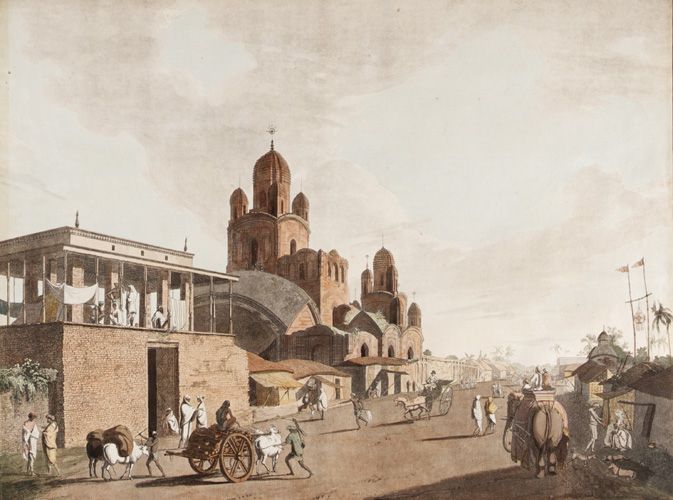
British Trading Posts in Bengal: Commerce and Colonization
British trading posts Bengal such as Sutanuti—one of Kolkata’s progenitor settlements—were lynchpins in the British East India Company’s expansion. These posts facilitated trade of textiles, spices, and other goods fueling the colonial economy. Structures associated with these posts like warehouses, docks, and colonial markets flourished as centers of early Kolkata’s growth. Understanding these sites enriches comprehension of the British Raj heritage Bengal and their lasting impact on Bengal’s urban and economic fabric.
Gallery of Colonial Heritage Architecture


Frequently Asked Questions about Colonial Heritage of West Bengal
What are the must-visit colonial heritage spots Kolkata?
Must-visit spots include Victoria Memorial, Fort William, St. Paul’s Cathedral, Writers’ Building, and heritage bungalows Kolkata. These sites highlight British architecture heritage Bengal at its finest.
How can tourists participate in heritage walks Kolkata?
Many heritage walks Kolkata are organized by local cultural groups and tourism agencies, offering guided tours that explain historical contexts, architecture, and colonial stories.
What is unique about British colonial architecture Kolkata?
It blends European styles such as Gothic Revival with Indian architectural elements, creating iconic buildings that are both aesthetically grand and historically symbolic.
What are colonial mansions West Bengal known for?
They are known for spacious layouts, grand foyers, verandas, and fusion of British and Indian architectural styles, many still inhabited or converted for tourism.
Are there museums dedicated to colonial history in West Bengal?
Yes, the Victoria Memorial Museum and Kolkata’s Indian Museum include extensive collections related to colonial history and Bengal’s role under British rule.
What role did British trading posts Bengal play historically?
They were foundational to Bengal’s colonial economy and urban growth, facilitating trade which was central to British imperial interests.
When is the best time to explore colonial heritage in Bengal?
The best time is from October to March, when the weather is pleasant for outdoor heritage walks Kolkata and tours of historic colonial buildings Bengal.
Are colonial forts West Bengal open for visitors?
Some forts, including Fort William, allow limited public access through authorized tours, while others may be active military zones or require special permissions.
Can visitors see colonial cemeteries Kolkata?
Yes, some colonial cemeteries exist as heritage sites where notable British and European figures are buried, reflecting Kolkata’s colonial past.
How significant are colonial government buildings Bengal?
They embody Bengal’s colonial administrative history, with many buildings still in use either for government purposes or as museums showcasing British Raj heritage Bengal.
How accessible are old colonial towns Bengal for tourism?
Many old colonial towns Bengal have preserved architecture and museums, with accessibility improving due to development and guided heritage tours.
How can I plan a colonial heritage tour in West Bengal?
Plan by selecting key sites like Kolkata’s colonial landmarks, forts, and museums; join guided heritage circuits Bengal or use local tour operators specializing in colonial heritage tourism West Bengal.